

What Age Should You Start Botox?
If you are considering injectable treatments, you may be wondering what age should you start Botox. The truth is, there is no single “right” age to begin Botox because the ideal time depends on your facial anatomy, muscle movement, skin quality, genetics, and aesthetic goals. Botox can be used both as a corrective treatment to soften existing wrinkles and as a preventative strategy to slow the formation of deeper lines over time.
As a nurse practitioner specializing in medical aesthetics, my goal at Aesthetics by Alyssa is to help patients understand when Botox may be appropriate and how it can be used strategically at different stages of life. In this article, we will explore how Botox works, what preventative Botox means, how age and lifestyle affect wrinkle formation, and how to determine the right time to start treatment.
How Does Botox Work?
Botox is a neuromodulator derived from botulinum toxin type A. It works by temporarily blocking the nerve signals that cause specific facial muscles to contract. When these muscles relax, the skin above them smooths out, reducing the appearance of wrinkles caused by repeated facial expressions.
Botox is most commonly used to treat dynamic wrinkles, which are lines that appear when you make facial movements such as smiling, frowning, or raising your eyebrows.
Common treatment areas include::
- Forehead lines
- Frown lines between the eyebrows
- Crow’s feet around the eyes
- Bunny lines on the nose
- Chin dimpling
- Neck bands
Botox does not add volume to the skin like dermal fillers. Instead, it treats the muscle activity that leads to wrinkle formation. This is why Botox can be used both to correct existing lines and to help prevent deeper wrinkles from forming over time.
What Is Preventative Botox?
Preventative Botox refers to using Botox before wrinkles become deeply etched into the skin. Rather than waiting until lines are visible at rest, some patients choose to start Botox when fine lines begin to appear only with facial expression.
The idea behind preventative Botox is simple: by reducing repetitive muscle movement early, the skin experiences less folding over time. This can help delay the formation of permanent wrinkles and maintain smoother skin as you age.
Preventative Botox is not about freezing the face or eliminating expression. It is about softening muscle activity while preserving natural movement and facial balance.
There Is No “Perfect” Age to Start Botox
There is no universally correct age to start Botox. Some people may benefit from starting in their mid to late twenties, while others may not need Botox until their thirties or forties. The decision should be based on individual factors rather than a specific birthday.
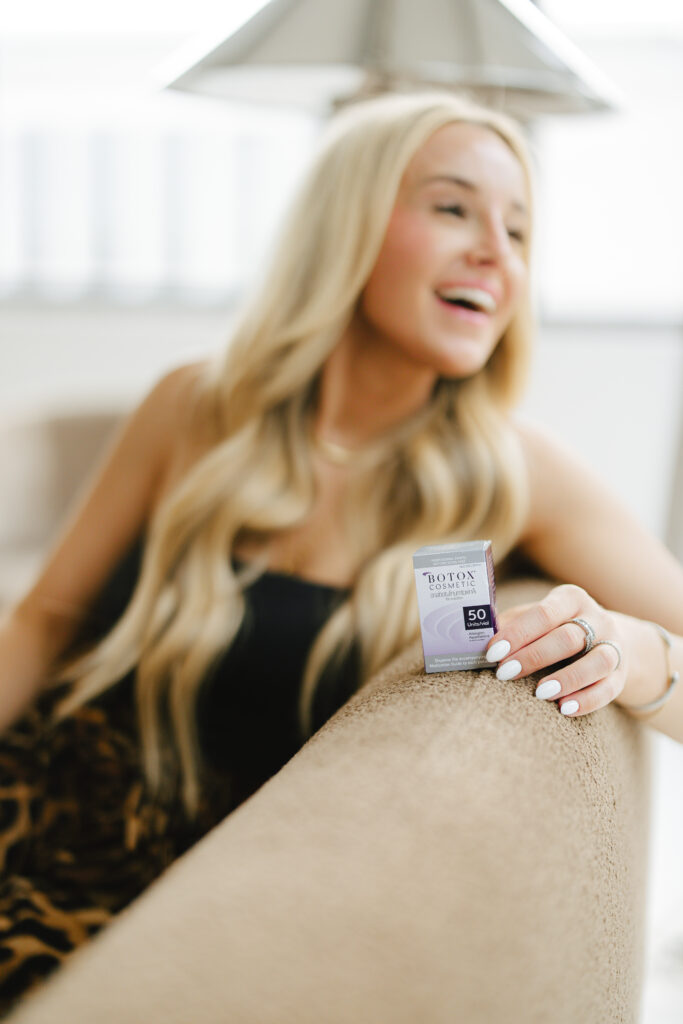
Factors that influence when to start Botox include:
- Genetics and family history of wrinkles
- Sun exposure and skin damage
- Facial muscle strength and expressiveness
- Skincare habits
- Smoking and lifestyle factors
Some people naturally develop fine lines earlier due to strong facial muscles or sun exposure, while others maintain smooth skin well into their thirties without treatment.
For patients in their twenties, Botox is typically used as a preventative treatment rather than a corrective one. At this stage, wrinkles may only be visible with movement and disappear when the face is at rest.
Starting Botox in your twenties may be appropriate if:
- You have strong facial expressions that cause visible lines
- You notice early fine lines when raising your eyebrows or squinting
- You want to proactively slow wrinkle formation
The goal of Botox in your twenties is subtle muscle relaxation, not a dramatic change in appearance. Small, conservative doses can help reduce repetitive folding of the skin while maintaining natural expression.
In your thirties, collagen production begins to decline and fine lines may start to linger even when the face is at rest. This is often when patients first consider Botox for both prevention and correction.
Botox in your thirties may be beneficial if:
- You see lines remaining after facial movement
- You have visible forehead or frown lines
- You want to soften early wrinkles before they deepen
This is a common age range to begin treatment, as Botox can both smooth existing lines and help prevent them from becoming more pronounced over time.
For patients in their forties and older, Botox is often used to reduce the appearance of established wrinkles and refresh the overall look of the face.
At this stage, Botox can:
- Soften deeper expression lines
- Create a more rested appearance
- Improve facial balance
- Complement other treatments such as fillers or skin resurfacing
Botox does not replace volume loss or skin laxity, but it remains a valuable part of an overall aesthetic plan focused on maintaining a youthful and natural look.
Does Starting Botox Early Mean You Will Need More Later?
A common concern is that starting Botox at a younger age will make you dependent on it or require more treatments in the future. This is not true. In fact, starting Botox earlier may reduce the need for higher doses later because the muscles responsible for wrinkles may become weaker over time.
When muscles are consistently relaxed:
- Wrinkles may become less severe
- Skin may crease less deeply
- Results may last longer between treatments
Botox does not cause the skin to worsen if you stop treatment. If you discontinue Botox, muscle activity will gradually return to normal and your face will age naturally based on genetics and lifestyle.
How Often Should Botox Be Done at Different Ages?
Most patients benefit from Botox every three to four months regardless of age. The frequency is determined more by how quickly muscle activity returns than by how old you are.
Younger patients may:
- Require fewer units
- Have more subtle results
- Use Botox primarily preventatively
Older patients may:
- Need more units for stronger muscles
- Combine Botox with other treatments
- Focus on wrinkle reduction and facial rejuvenation
The treatment plan should always be customized rather than based solely on age.
How to Know If You Are Ready for Botox:
Rather than focusing on age alone, it is more helpful to look at your facial movement and skin behavior.
You may be ready for Botox if:
- You notice lines forming with expression
- Those lines are starting to linger at rest
- You want to maintain smoother skin over time
- You are bothered by specific expression lines
A professional consultation is the best way to determine whether Botox is appropriate and how it should be used for your face.
Is Botox Safe for Younger Patients?
Botox has been used safely for decades for both cosmetic and medical purposes. When administered by a licensed medical professional, it is considered very safe.
Botox is not recommended during pregnancy or breastfeeding and should always be discussed with a qualified provider. For appropriate candidates, Botox can be a safe and effective option for wrinkle prevention and correction.
Common side effects may include mild redness, swelling, or bruising at the injection site, which typically resolves within a few days.
Can Botox Make You Look Older If You Start Too Soon?
When Botox is overused or improperly placed, it can lead to unnatural results. However, when used conservatively and strategically, Botox should not make you look older. The key is proper dosing and placement based on facial anatomy.
Natural-looking Botox allows:
- Normal facial expression
- Balanced movement
- Softened lines rather than frozen features
This is why provider experience and facial anatomy knowledge are essential.
Frequently Asked Questions
Not necessarily. Some patients may benefit from early preventative treatment depending on muscle activity and skin changes.
No. Botox can be beneficial at any age if you have dynamic wrinkles.
No. Botox slows wrinkle formation but does not stop natural aging.
Skincare improves skin quality, but it does not stop muscle movement that causes expression lines.
Yes. Botox is commonly used by men for wrinkle reduction and prevention.
Why Provider Expertise Matters
The age at which you start Botox is less important than how it is performed. A skilled provider evaluates facial anatomy, muscle movement, and aesthetic goals to create a customized plan.
At Aesthetics by Alyssa, Botox treatments are:
- Medically guided
- Customized for facial structure
- Designed for natural results
- Focused on long-term skin health
Determining the Right Time to Start Botox
There is no universal age at which everyone should begin Botox. Some patients benefit from starting in their twenties as a preventative strategy, while others choose to begin in their thirties or forties to soften established lines. The right timing depends on your facial anatomy, muscle strength, skin behavior, and long-term goals.
Botox is most effective when used strategically and conservatively. The key to natural, long-lasting results is proper dosing, expert placement, and a treatment plan tailored specifically to your facial movement and aesthetic vision.
At Aesthetics by Alyssa, Botox is never one-size-fits-all. Every treatment is thoughtfully customized based on your facial anatomy, muscle activity, and long-term skincare strategy.
Whether you are exploring preventative Botox in your twenties or addressing visible lines later in life, a personalized consultation allows us to determine the right timing and approach for you — ensuring subtle, balanced, and confidence-boosting results. Never overdone.
If you’re ready to learn whether Botox fits into your preventative aging plan, schedule your consultation and take the next step toward expert-guided, natural enhancement.


