

Does Lip Filler Hurt?
If you are considering lip enhancement, you may be wondering, does lip filler hurt? It is completely normal to feel nervous about injections in such a sensitive area. Understanding what lip filler feels like, how discomfort is managed, and what to expect before, during, and after treatment can help you feel confident and prepared.
As a nurse practitioner specializing in medical aesthetics, my goal at Aesthetics by Alyssa NP is to provide honest, realistic education so patients can make informed decisions about their treatments. In this article, we will explore how lip filler works, what the procedure feels like, how discomfort is minimized, and how to ensure a safe and comfortable experience.
What Is Lip Filler?
Lip filler is a cosmetic injectable treatment that uses hyaluronic acid-based dermal fillers to enhance the shape, volume, and symmetry of the lips. Hyaluronic acid is a substance naturally found in the body that helps maintain hydration and structure in the skin. When used as a filler, it adds volume while maintaining a soft and natural appearance.
Lip filler can be used to:
- Enhance natural lip shape
- Add volume to thin lips
- Correct asymmetry
- Define the lip border
- Improve the appearance of fine lines around the mouth
The goal of modern lip filler is not to create an overfilled or unnatural look, but rather to enhance the lips in a way that complements the rest of the face.
Why Are the Lips More Sensitive?
The lips are one of the most sensitive areas of the face because they contain a high concentration of nerve endings and blood vessels. This sensitivity is what allows us to feel texture and temperature, but it also means injections in this area can feel more intense than in other parts of the face.
Additionally, the skin of the lips is thinner than most other facial skin, which can contribute to increased sensation during treatment. This is why proper numbing and technique are essential for patient comfort.
What Does Lip Filler Feel Like?
Patients describe the sensation of lip filler injections in different ways. Common descriptions include:
- Pinching
- Pressure
- Stinging
- Mild burning
The sensation is usually brief and occurs during the moment of injection. Most patients find the procedure to be very tolerable, especially when comfort measures are used.
It is important to note that pain perception varies from person to person. Factors such as anxiety, pain tolerance, and previous injection experience can influence how the procedure feels.
How Is Pain Managed During Lip Filler?
There are several methods used to minimize discomfort during lip filler treatments.
A strong topical numbing cream is typically applied to the lips before treatment. This cream is left on for several minutes to significantly reduce sensation in the area.
Cold can help numb the lips and reduce swelling and discomfort during injections.
Most modern lip fillers contain lidocaine, a local anesthetic that further numbs the area as the product is injected.
Proper technique plays a major role in comfort. Slow, controlled injections and careful placement reduce pain and minimize trauma to the tissue.
These methods combined allow most patients to complete treatment comfortably.
Is Lip Filler More Painful Than Botox?
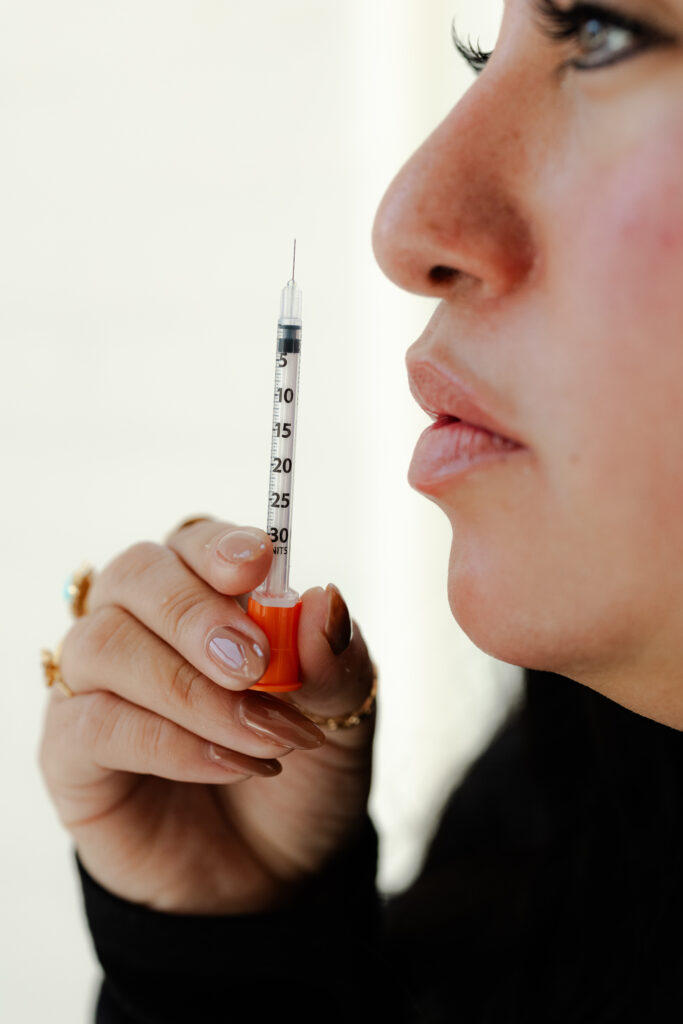
Many patients ask whether lip filler is more painful than Botox. In general, lip filler tends to be slightly more uncomfortable than Botox because the lips are more sensitive and the filler is placed deeper into the tissue.
However, the discomfort is still very manageable for most people. Botox injections use a very fine needle and typically feel like small pinches, while filler injections may feel like pressure or stinging.
How Long Does the Discomfort Last?
Any discomfort from lip filler injections is usually short-lived. Mild soreness or tenderness may be present for:
- 24 to 48 hours
- Occasionally up to a few days
Swelling is common after lip filler and can contribute to temporary discomfort. This typically peaks within the first 24 to 48 hours and gradually improves over the following days.
Bruising may occur and can cause mild tenderness, but this usually resolves within one to two weeks.
What Can You Do to Reduce Pain and Swelling?
Following proper aftercare can help minimize discomfort and promote healing.
After treatment, patients are typically advised to:
- Avoid touching or massaging the lips unless instructed
- Apply cold compresses intermittently
- Avoid strenuous exercise for 24 hours
- Stay well hydrated
- Avoid alcohol for 24 hours
- Sleep with the head elevated the first night
Avoiding blood-thinning medications or supplements such as aspirin, ibuprofen, fish oil, and vitamin E before treatment (if medically appropriate) can also reduce bruising and soreness.
Does Technique Affect How Much It Hurts?
Yes, technique plays a major role in both comfort and results. The skill and experience of the injector significantly influence how the procedure feels.
A trained medical provider understands:
- Facial anatomy
- Vascular structures
- Appropriate injection depth
- How to distribute product evenly
This knowledge allows for smoother injections, less tissue trauma, and reduced discomfort.
At Aesthetics by Alyssa, lip filler treatments are performed with a focus on gentle technique, patient comfort, and natural-looking enhancement.
Does the Amount of Filler Affect Pain?
The amount of filler used can influence how the treatment feels. Larger volumes may result in more pressure and swelling, which can increase post-treatment tenderness.
For first-time patients, a conservative approach is often recommended. Starting with a smaller amount of filler allows the lips to adjust gradually and reduces the risk of excessive swelling or discomfort
Who Is a Good Candidate for Lip Filler?
Lip filler may be appropriate for adults who:
- Want fuller or more defined lips
- Have asymmetry or volume loss
- Desire subtle enhancement
- Are in good overall health
Lip filler is not recommended for patients who are pregnant or breastfeeding. A thorough consultation is important to ensure the treatment is safe and appropriate.
Can Lip Filler Be Done Without Pain Medication?
Some patients choose to undergo lip filler with minimal numbing, but most prefer topical anesthesia for comfort. While it is possible to perform the procedure without numbing cream, it is not usually recommended due to the sensitivity of the lips.
The goal is to make the experience as comfortable as possible so patients feel relaxed and confident during treatment.
Does Anxiety Make It Hurt More?
Anxiety can heighten pain perception. When patients are tense or nervous, they may be more sensitive to sensations. A calm environment, clear communication, and understanding what to expect can significantly improve comfort.
Breathing techniques and distraction can also help reduce discomfort during the procedure.
What About Lip Filler for First-Time Patients?
First-time patients often worry the most about pain because they do not know what to expect. In many cases, first-time lip filler is easier than anticipated. Once the numbing cream takes effect, most patients describe the experience as manageable and brief.
It is common for patients to say the anxiety beforehand was worse than the treatment itself.
Are There Risks Associated With Lip Filler?
Like any injectable treatment, lip filler carries some risks. These may include:
- Bruising
- Swelling
- Asymmetry
- Lumps or unevenness
- Rare vascular complications
Choosing a qualified medical provider significantly reduces these risks. Proper technique, anatomical knowledge, and product selection are essential for safety
How Long Do Lip Filler Results Last??
Most hyaluronic acid lip fillers last between 6 and 12 months, depending on the product used, metabolism, and lifestyle factors. The lips tend to metabolize filler faster than other areas of the face due to constant movement.
Maintenance treatments help preserve volume and shape over time.
Frequently Asked Questions
The lips are generally more sensitive than the cheeks, so lip filler may feel slightly more uncomfortable.
Most patients rate it between 3 and 6 when numbing is used.
Yes, most patients can resume normal activities immediately.
Swelling usually peaks within 24 to 48 hours and resolves over several days.
It is best to wait at least 24 hours before applying lipstick.
Why Provider Experience Matters
The comfort and safety of lip filler treatments depend heavily on who performs them. Proper training, anatomical knowledge, and experience all influence how the procedure feels and how the results look.
At Aesthetics by Alyssa, lip filler treatments are:
- Medically guided
- Customized for facial balance
- Focused on patient comfort
- Designed for natural-looking results
Determining the Right Time to Start Botox
So, does lip filler hurt? While the lips are a sensitive area and injections can cause brief discomfort, most patients find the procedure very tolerable when proper numbing and gentle technique are used. Any soreness or swelling afterward is typically mild and temporary.
The key to a comfortable experience is not just the product used, but the technique, pacing, and expertise of your injector. With thoughtful placement and conservative dosing, lip filler can enhance your natural shape while preserving balance and softness.
At Aesthetics by Alyssa, lip filler is never one-size-fits-all. Every treatment is carefully customized based on your lip anatomy, comfort level, and aesthetic goals.
Whether you are exploring lip filler for the first time or refining previous results, a personalized consultation allows us to create a plan designed for subtle, balanced, and natural-looking enhancement. Never overdone.
If you’re ready to learn how lip filler can enhance your lips comfortably and safely, schedule your consultation and take the next step toward confidence-boosting results.


