

Botox Aftercare Dos and Don’ts
If you’ve recently had injections or are planning treatment, understanding proper Botox aftercare is essential. The first 24 hours after Botox play a key role in how the product settles, how long it lasts, and how natural your results appear. Following simple dos and don’ts can reduce side effects, minimize bruising, and help you achieve smooth, balanced results.
Botox is one of the most popular cosmetic treatments for smoothing wrinkles and preventing deeper lines from forming. While the injection process itself is quick, what you do after your treatment plays an important role in how well your results settle and how long they last. Proper aftercare helps minimize side effects, reduce the risk of complications, and ensure the most natural-looking outcome.
Understanding Botox aftercare is especially important for first-time patients who may not know what is normal or what to avoid. As a nurse practitioner specializing in medical aesthetics, my goal at Aesthetics by Alyssa is to provide clear guidance so patients feel confident caring for their skin after treatment.
In this article, we will review what Botox is, how it works, why aftercare matters, and the most important dos and don’ts to follow after your appointment.
What Is Botox and How Does It Work?
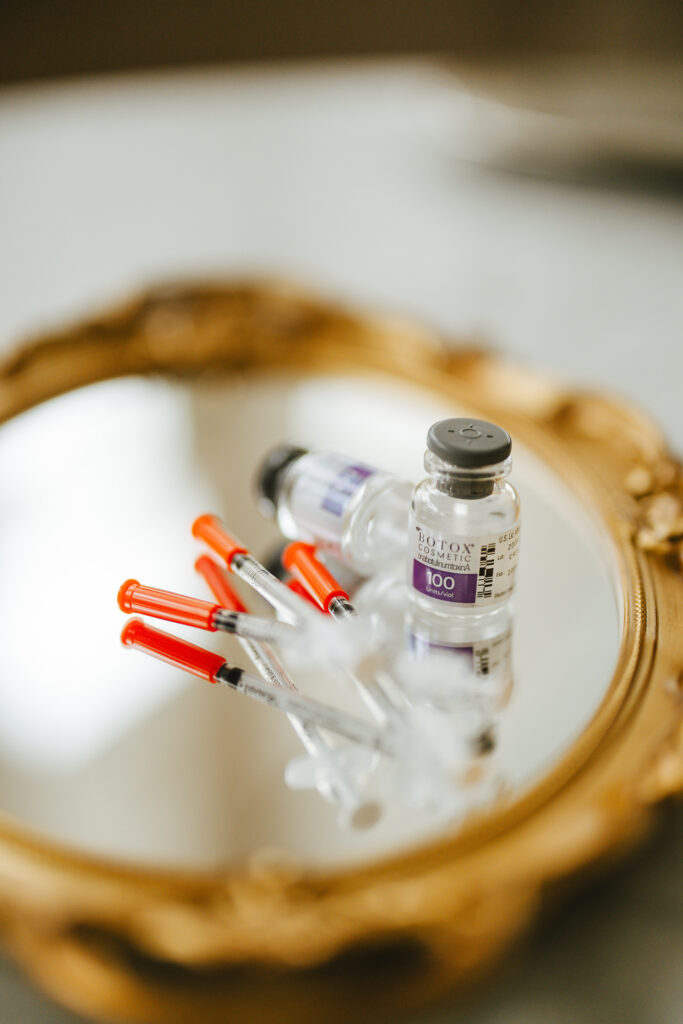
Botox is a neuromodulator derived from botulinum toxin type A. It works by temporarily blocking nerve signals to specific muscles, reducing muscle movement in targeted areas. When the muscle relaxes, the skin above it appears smoother, softening the look of dynamic wrinkles caused by facial expressions.
Common treatment areas include:
- Forehead lines
- Frown lines between the eyebrows
- Crow’s feet
- Bunny lines
- Chin dimpling
- Neck bands
Botox does not fill wrinkles like dermal fillers. Instead, it treats the muscle activity that causes lines to form. Because Botox affects muscle movement, how it settles in the muscle after injection is important for proper results.
Why Botox Aftercare Matters
After Botox is injected, the product needs time to bind to the nerve endings in the treated muscles. During the first several hours after treatment, the Botox is still settling into place. Certain actions can increase the risk of the product migrating to unintended areas, which may lead to uneven results or unwanted side effects.
Following proper aftercare helps:
- Forehead lines
- Frown lines between the eyebrows
- Crow’s feet
- Bunny lines
- Chin dimpling
- Neck bands
Why Botox Aftercare Matters
After Botox is injected, the product needs time to bind to the nerve endings in the treated muscles. During the first several hours after treatment, the Botox is still settling into place. Certain actions can increase the risk of the product migrating to unintended areas, which may lead to uneven results or unwanted side effects.
Following proper aftercare helps:
- Improve the accuracy of results
- Reduce bruising and swelling
- Lower the risk of complications
- Support even distribution of the product
- Maximize treatment longevity
Good aftercare habits also help you understand what is normal during the healing process and when to contact your provider if something does not feel right.
The First 24 Hours After Botox
The first 24 hours are the most important period for Botox aftercare. During this time, small adjustments in behavior can make a big difference in how the product settles.
Following proper aftercare helps:
- Mild redness at injection sites
- Slight swelling
- Tiny bumps that resolve within minutes to hours
- Mild tenderness
These effects usually resolve quickly and do not interfere with daily activities.
Botox Aftercare Dos
Remain upright for at least four hours after treatment. Avoid lying flat or bending forward excessively. Staying upright helps prevent the Botox from migrating to unintended areas.
Lightly moving the treated muscles, such as raising your eyebrows or frowning gently, can help the Botox bind to the nerve endings more effectively. This should be done naturally and without exaggeration.
If you experience mild swelling or discomfort, you may apply a cold compress gently to the area. Do not apply direct pressure or massage the injection sites.
Always follow the specific instructions given by your provider. Individual treatment plans may vary depending on the areas treated and your medical history.
Use mild cleansers and moisturizers for the first 24 hours. Avoid exfoliating products, retinoids, or acids unless directed otherwise.
Sun protection is always important, especially after cosmetic treatments. Use a broad-spectrum sunscreen to protect healing skin.
Drinking water supports overall skin health and healing.
Botox Aftercare Don’ts
Avoid touching, rubbing, or massaging the injection sites for at least 24 hours. Pressure can cause the Botox to shift to unintended muscles.
Strenuous exercise increases blood flow and can increase the risk of bruising or product migration. Light walking is acceptable, but intense workouts should be postponed until the following day.
Avoid lying flat or sleeping face-down for at least four hours after injections.
Avoid saunas, hot tubs, steam rooms, and hot yoga for 24 hours. Heat can increase blood flow and interfere with how Botox settles.
Alcohol can increase the risk of bruising and swelling. It is best to avoid it for at least 24 hours after treatment.
Avoid facials, massages, or cosmetic treatments for at least one to two weeks unless cleared by your provider.
What Is Normal After Botox?
It is normal to experience:
- Small red dots at injection sites
- Mild swelling
- Temporary headache
- Slight tightness
These usually resolve within a few days.
When Will I See Results?
Botox does not work immediately. Results typically appear within:
- 3 to 5 days for initial changes
- 7 to 14 days for full effect
Your provider may schedule a follow-up visit around two weeks after treatment to assess results and make small adjustments if necessary.
How Long Should You Follow Aftercare Rules?
Most aftercare precautions are important for the first 24 hours. After that, patients can usually resume normal activities and skincare routines unless instructed otherwise.
Longer-term habits such as sunscreen use and proper skincare help maintain overall skin quality and support Botox results.
Can Makeup Be Worn After Botox?
Makeup can usually be applied after several hours if there is no significant swelling or irritation. It should be applied gently without rubbing the skin aggressively.
What Happens If You Do Not Follow Aftercare Instructions?
Ignoring aftercare guidelines may increase the risk of:
- Uneven results
- Drooping eyelids or brows
- Bruising
- Shortened duration of results
While serious complications are rare, proper aftercare greatly reduces these risks.
How to Reduce Bruising After Botox
To minimize bruising:
- Avoid blood-thinning medications and supplements before treatment if medically appropriate
- Apply cold compresses after treatment
- Avoid alcohol and exercise for 24 hours
- Do not massage the area
Bruising is not dangerous but can be cosmetically inconvenient. Most bruises resolve within one to two weeks.
Special Considerations for Different Treatment Areas
Avoid heavy pressure on the forehead and do not wear tight headbands or hats that press on injection sites.
Avoid rubbing the eye area and be gentle when washing your face.
Avoid strenuous neck movements and heavy workouts during the first 24 hours.
Can You Shower After Botox?
Yes, you may shower after Botox. Use lukewarm water and avoid very hot showers or steam exposure for 24 hours.
How Often Should You Get Botox?
Most patients schedule Botox every three to four months to maintain results. A consistent schedule helps prevent wrinkles from becoming etched into the skin.
Can You Sleep Normally After Botox?
You may sleep normally, but avoid sleeping face-down or applying pressure to treated areas the first night.
Botox Aftercare for First-Time Patients
First-time patients may feel more anxious about aftercare because they are unfamiliar with the process. It is helpful to remember that Botox is a low-maintenance treatment and most aftercare steps are simple.
Following instructions carefully during the first treatment helps set expectations for future visits.
Frequently Asked Questions
Yes, gently and without scrubbing.
Yes, but aftercare instructions may vary slightly.
Yes, mild tightness can occur as the muscles begin to relax
Avoid excessive sun exposure and maintain good skincare habits.
Why Provider Experience Matters
The quality of your Botox results depends on both the treatment technique and the guidance you receive afterward. A skilled provider understands how muscle movement, facial anatomy, and lifestyle affect results.
At Aesthetics by Alyssa, Botox treatments are:
- Medically guided
- Customized to facial structure
- Designed for natural results
- Supported by detailed aftercare education
Conclusion
Botox aftercare is a critical part of achieving safe, natural-looking results. By following simple dos and don’ts such as staying upright, avoiding pressure on treated areas, and postponing strenuous exercise, patients can help ensure proper product placement and long-lasting results.
Understanding what is normal after treatment and how to care for your skin reduces anxiety and improves satisfaction. Botox is a powerful tool for wrinkle prevention and facial rejuvenation when paired with expert technique and proper aftercare.
Schedule a Consultation
At Aesthetics by Alyssa, Botox treatments are tailored to your facial anatomy, muscle movement, and aesthetic goals. Whether you are new to injectables or maintaining long-term results, a personalized plan can help you achieve smooth, balanced, and natural-looking outcomes.


